Canine Training & Behavior Certification
Best for:
- Dog trainers
- Animal lovers starting a career
- Shelter or rescue staff
- Pet professionals
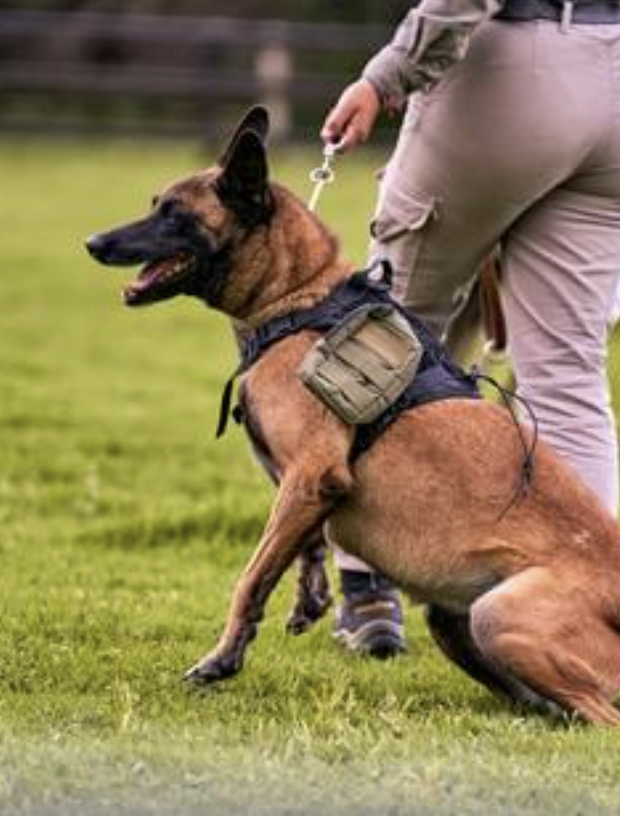
Small classes taught by professionals
Courses are limited to small class sizes so you can learn directly from instructors with real-world experience in canine behavior & training.
Field experience with real animals
Apply what you learn by completing a hands-on field experience at a facility or organization in your area.

This Program May Be a Good Fit If You:
Many of our students are:
Working professionally with dogs requires more than basic obedience training. ABI’s canine programs help students build a deeper understanding of canine behavior, learning theory, enrichment, communication, and humane training methods used in real-world professional settings. Whether you’re interested in dog training, canine sports, service dog work, or advanced behavior modification, our programs are designed to help you develop practical, career-focused skills you can apply with confidence.


Expand your training expertise further with advanced behavior modification strategies, behavioral science, canine cognition, and complex case management. Designed for trainers looking to expand their skills and professional opportunities.
Best for:
5 Courses

Learn how to train service and therapy dogs that support individuals with disabilities and therapeutic needs. Study public access skills, task training, ADA considerations, and ethical service dog training practices.
Best for:
5 Courses

Train dogs for agility, rally, scent work, obedience, and competitive canine sports. Learn sport-specific training methods, conditioning, enrichment, and performance preparation for canine athletes.
Best for:
5 Courses
In addition to online coursework, students complete a hands-on field experience with dogs at an approved organization in their area. This allows students to apply what they’ve learned while gaining valuable real-world experience working with dogs in professional settings.
.png)
All courses are taught by instructors with professional experience in fields such as:
Their real-world experience helps students understand both the science behind canine behavior and the practical realities of working professionally with dogs.
Students from across the U.S. and internationally complete the program while balancing work and personal commitments.

Many people who love working with dogs want to build a meaningful career helping improve canine behavior, training, and welfare. The Canine Training Programs are designed to help students develop the knowledge and practical skills needed to pursue professional opportunities in dog training, behavior consulting, enrichment, and canine care.
.png?width=774&height=512&name=Career%20Opportunities%20(2).png)
Professional dog trainers work directly with dogs and their owners to teach obedience skills, improve behavior, and strengthen communication. Trainers may work independently or with organizations such as training facilities, shelters, veterinary practices, or pet care businesses. They often help with leash manners, socialization, puppy development, behavior modification, and advanced training goals.
Canine behavior consultants specialize in understanding and addressing more complex behavioral challenges in dogs. They work with issues such as aggression, anxiety, reactivity, fears, and compulsive behaviors by developing customized behavior modification plans. Consultants often collaborate closely with pet owners, trainers, shelters, and veterinary professionals.
Shelter and rescue behavior specialists help evaluate, train, and enrich dogs living in shelters or rescue environments. Their work focuses on improving adoptability, reducing stress, supporting safe dog-to-dog interactions, and helping dogs transition successfully into permanent homes. These professionals may also assist with behavior assessments and volunteer training.
Service and therapy dog trainers prepare dogs to assist individuals with disabilities, emotional needs, or therapeutic programs. Depending on the setting, trainers may teach dogs specialized tasks, public access skills, emotional support behaviors, or appropriate interactions in healthcare and community environments.
Canine enrichment specialists focus on improving the mental and emotional wellbeing of dogs through activities that encourage natural behaviors, problem solving, exercise, and engagement. They create enrichment plans, cognitive games, sensory activities, and behavior-based programs that support healthier, happier dogs in homes, shelters, kennels, and training facilities.
Many graduates choose to start and operate their own dog training businesses. Independent trainers may offer private lessons, group classes, puppy training, behavior consulting, virtual coaching, or specialized programs. Business owners often combine hands-on training skills with client communication, scheduling, marketing, and business management.
The demand for qualified dog trainers and behavior professionals continues to grow, but successful trainers need more than basic obedience skills. Many positions (and successful independent businesses) require both formal education and hands-on experience.
ABI’s program is designed to help students build a strong foundation in behavioral science, humane training, enrichment, and real-world problem solving so they can confidently pursue opportunities in professional canine training and behavior.
.avif)
After adopting her rescue dog, Buckley, Brandy realized she wanted to pursue a career helping dogs and their owners build stronger relationships through training and behavioral support. After researching her options, she chose the Animal Behavior Institute and earned her certification as a Certified Canine Training and Behavior Specialist.
Since completing the program, Brandy has continued expanding her expertise through advanced workshops, volunteer work with local humane societies, and mentorship with experienced trainers. Today, she owns and operates her own dog training business, Right Paw Forward LLC, where she specializes in private in-home training sessions, daycare, and boarding services.
“ABI gave me a strong foundation in the science of dog training and helped me better understand canine behavior, enrichment, communication, and health. The flexibility of the program combined with the structured coursework and field experience gave me the confidence and practical skills I needed to pursue this career.”